
STACKED DRAM CUBES
Stacked DRAM cubes on an advanced HBM base die
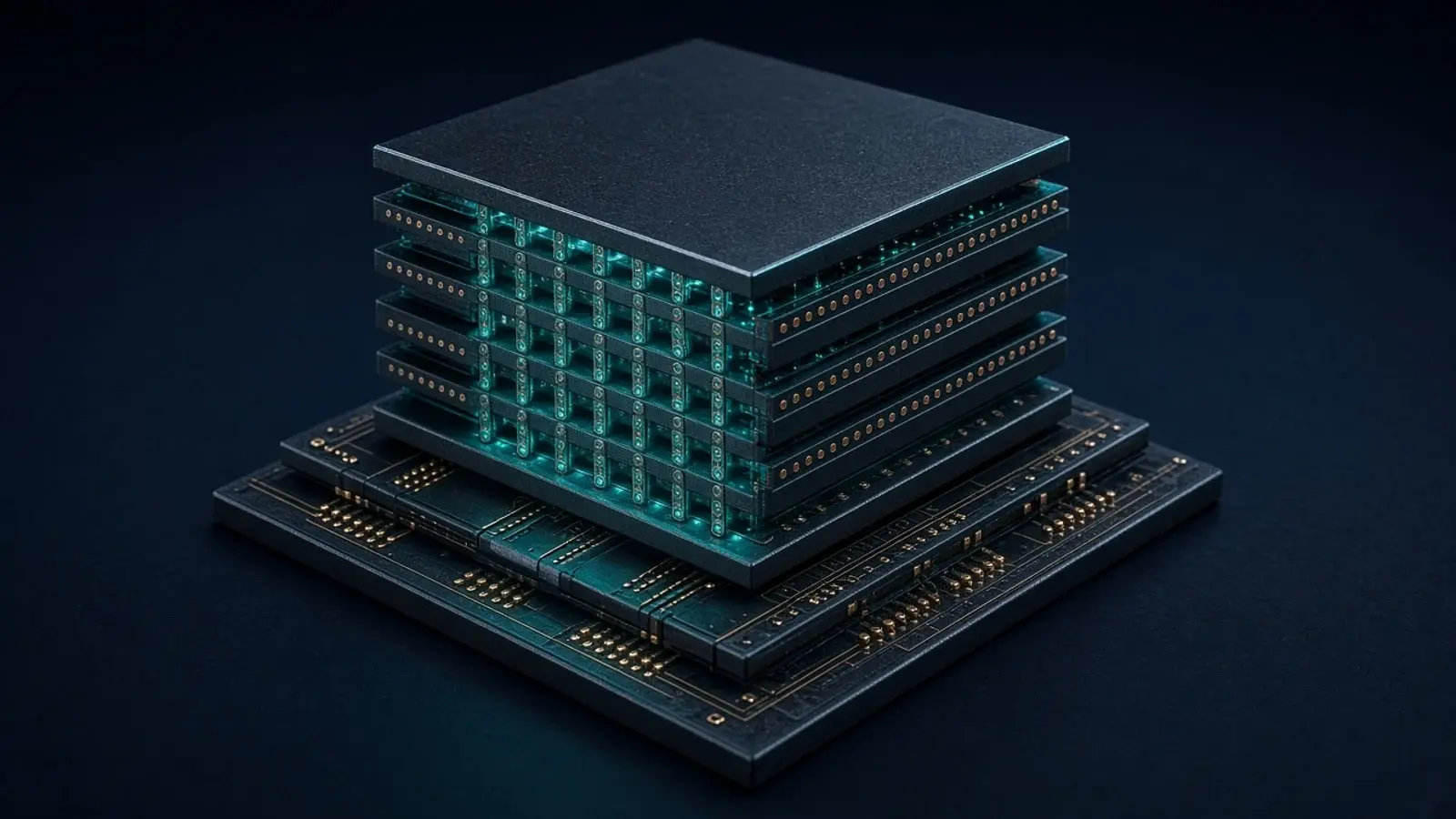
Stacked DRAM cubes on an advanced HBM base die
Current Samsung AI-memory generation on the official HBM family page
AI & HPC · Data Center
Public source
Samsung HBM4 is a publicly named high-bandwidth memory device family for AI accelerators.
Silicon Showcase illustrative visual
Illustrative representation based on publicly available technical information.
Samsung HBM4 is the company’s current high-bandwidth DRAM stack for AI accelerators, with an advanced base die and stacked DRAM cubes. Samsung’s official HBM family page covers HBM3E through HBM4/HBM4E as the AI-memory roadmap.
Official Samsung Semiconductor pages present HBM as stacked DRAM cubes on an advanced base die, with HBM4 and HBM4E as the current AI-memory generation. This listing records Samsung’s HBM4 stack technology rather than every HBM generation. HBM3 and HBM3E remain prior generations of the same family rather than separate listings. Micron High-Bandwidth Memory and Synopsys HBM Interface IP, already in the catalog, are a different vendor’s device and a PHY/controller IP block. Capacity options and interface details should be taken from Samsung’s current HBM documentation.
Key characteristics associated with this technology.
Stacked DRAM cubes on an advanced HBM base die
Current Samsung AI-memory generation on the official HBM family page
Positioned for AI accelerator and data-center platforms
Distinct from Micron HBM devices and Synopsys HBM interface IP
Explore other semiconductor technologies.
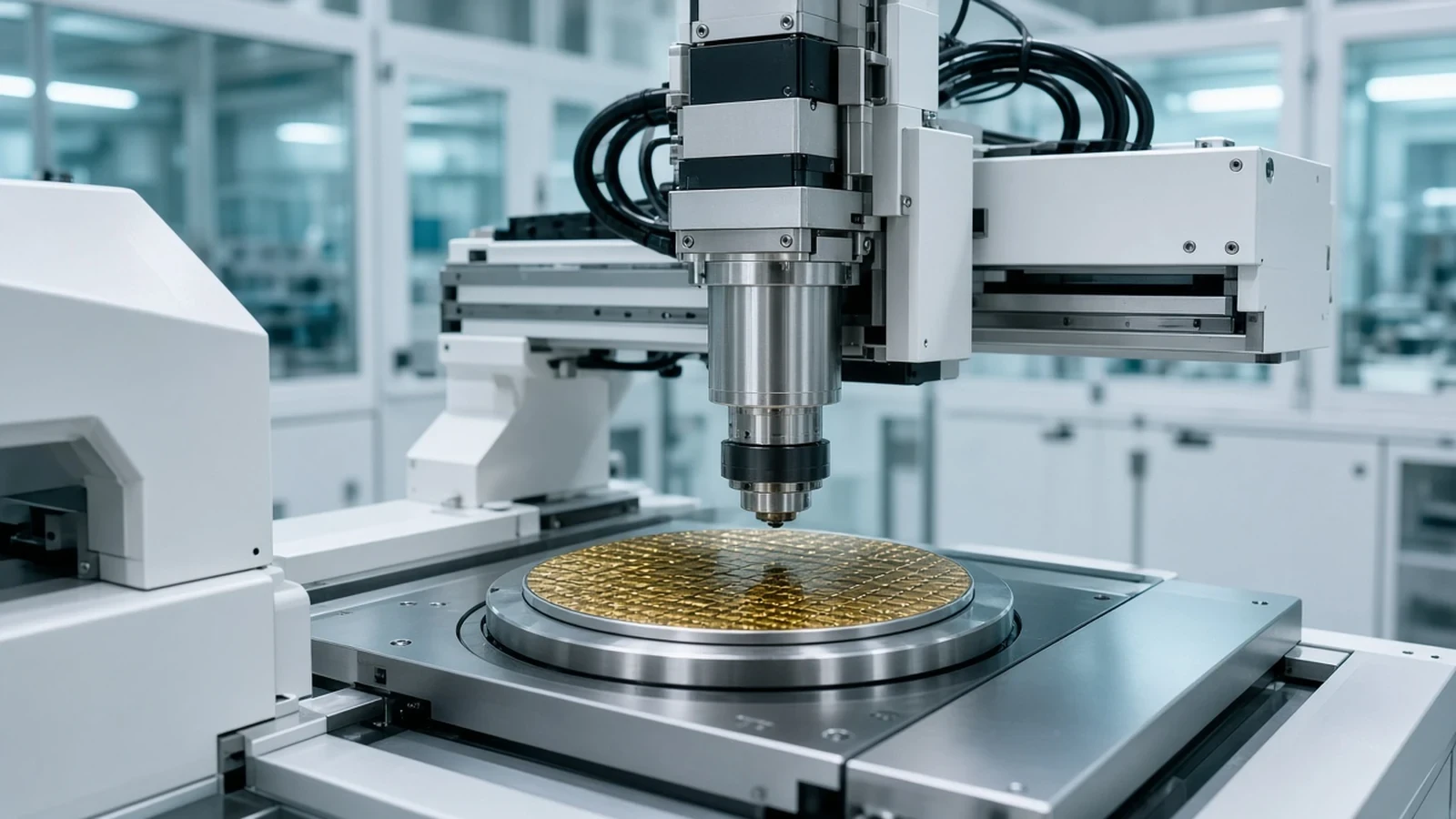
Kulicke & Soffa APTURA is a thermo-compression bonder for advanced packaging, not a wire bonder catalog and not OSAT assembly.
AI & HPCData CenterView Technology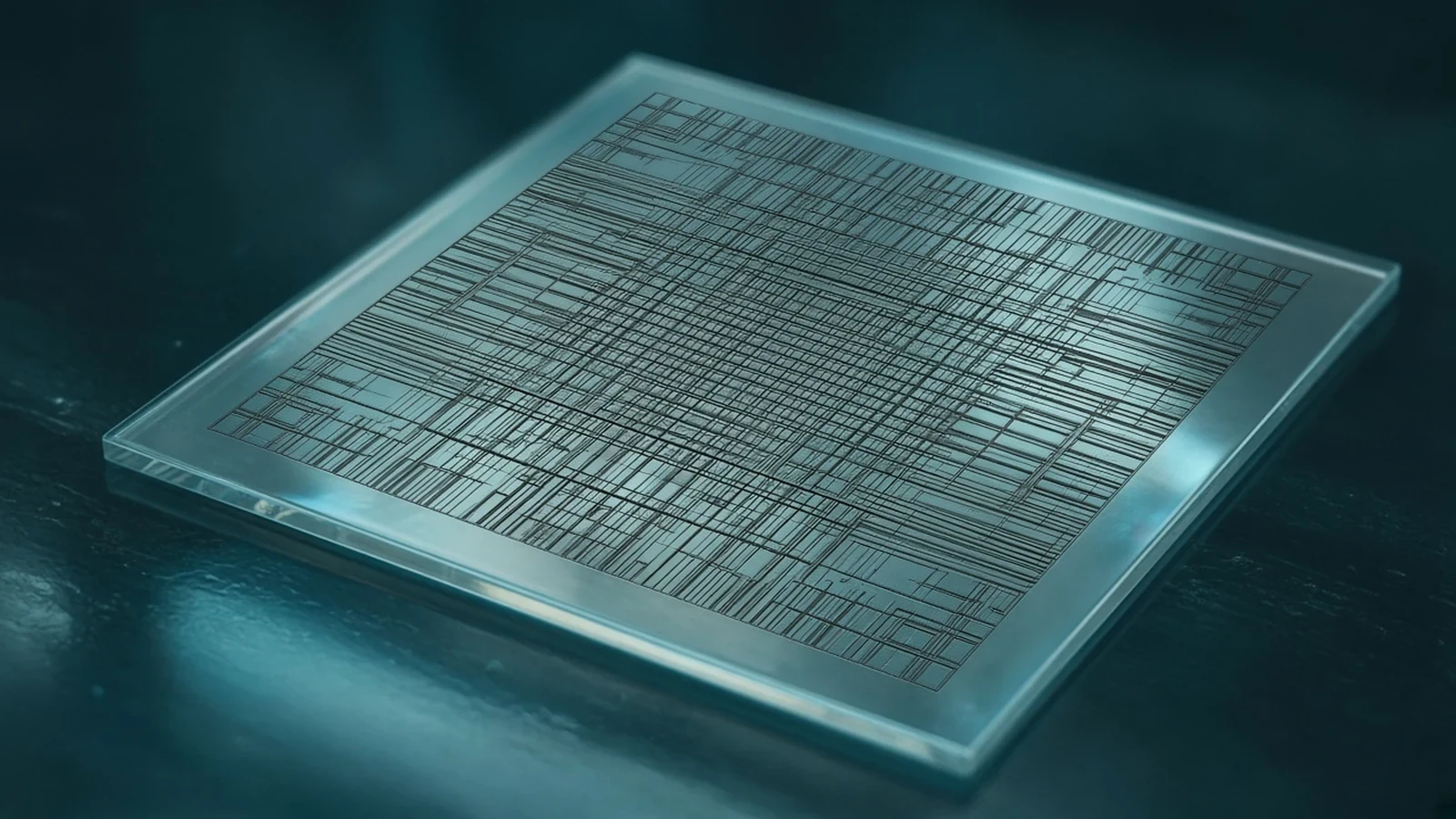
Photronics advanced IC photomasks are lithography reticles for integrated circuits, not a foundry node and not FPD masks.
AutomotiveAI & HPCView Technology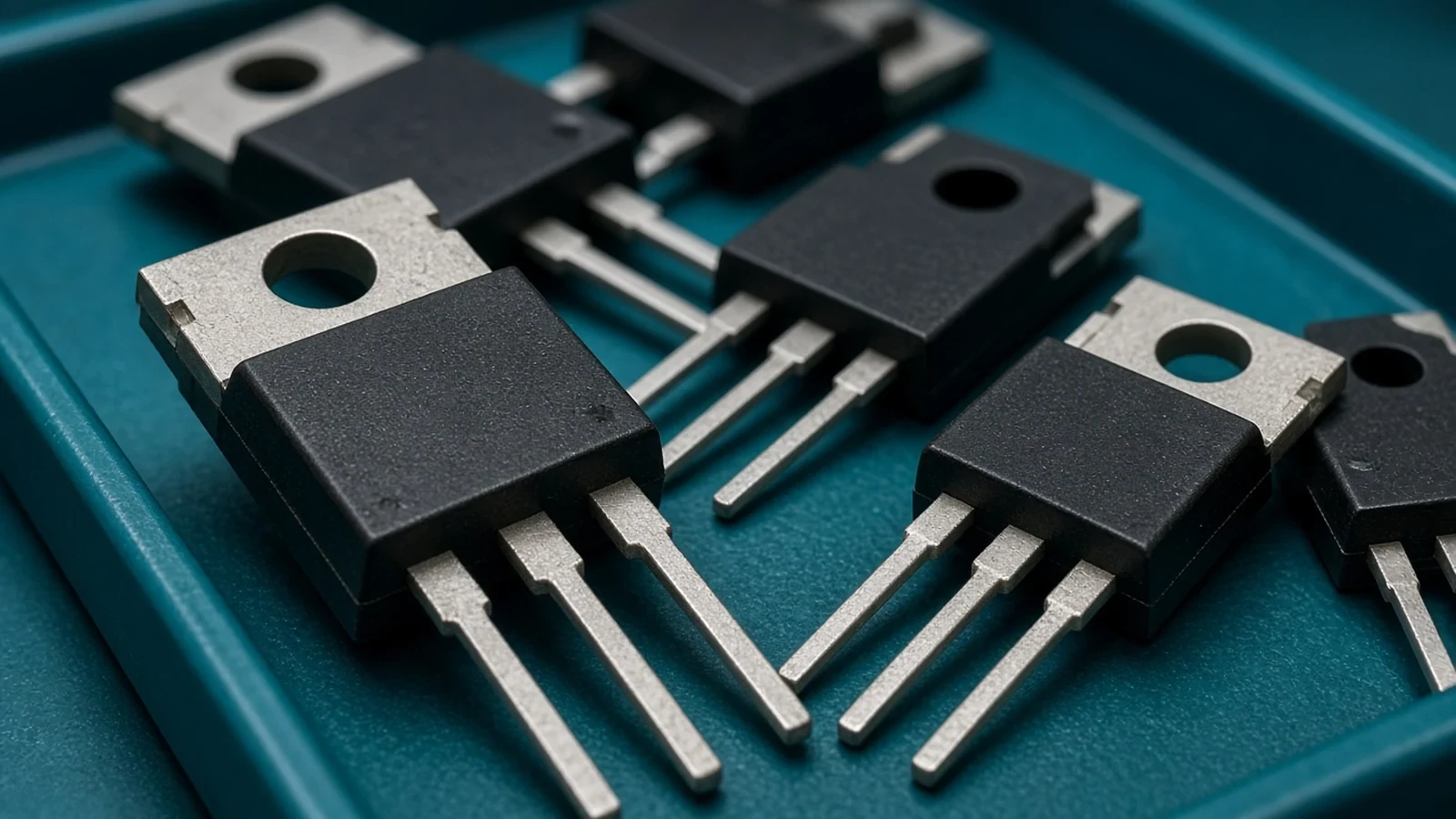
AlphaSGT is Alpha and Omega’s shielded-gate trench MOSFET technology, not a GaN HEMT and not a power-module substrate.
AI & HPCData CenterView Technology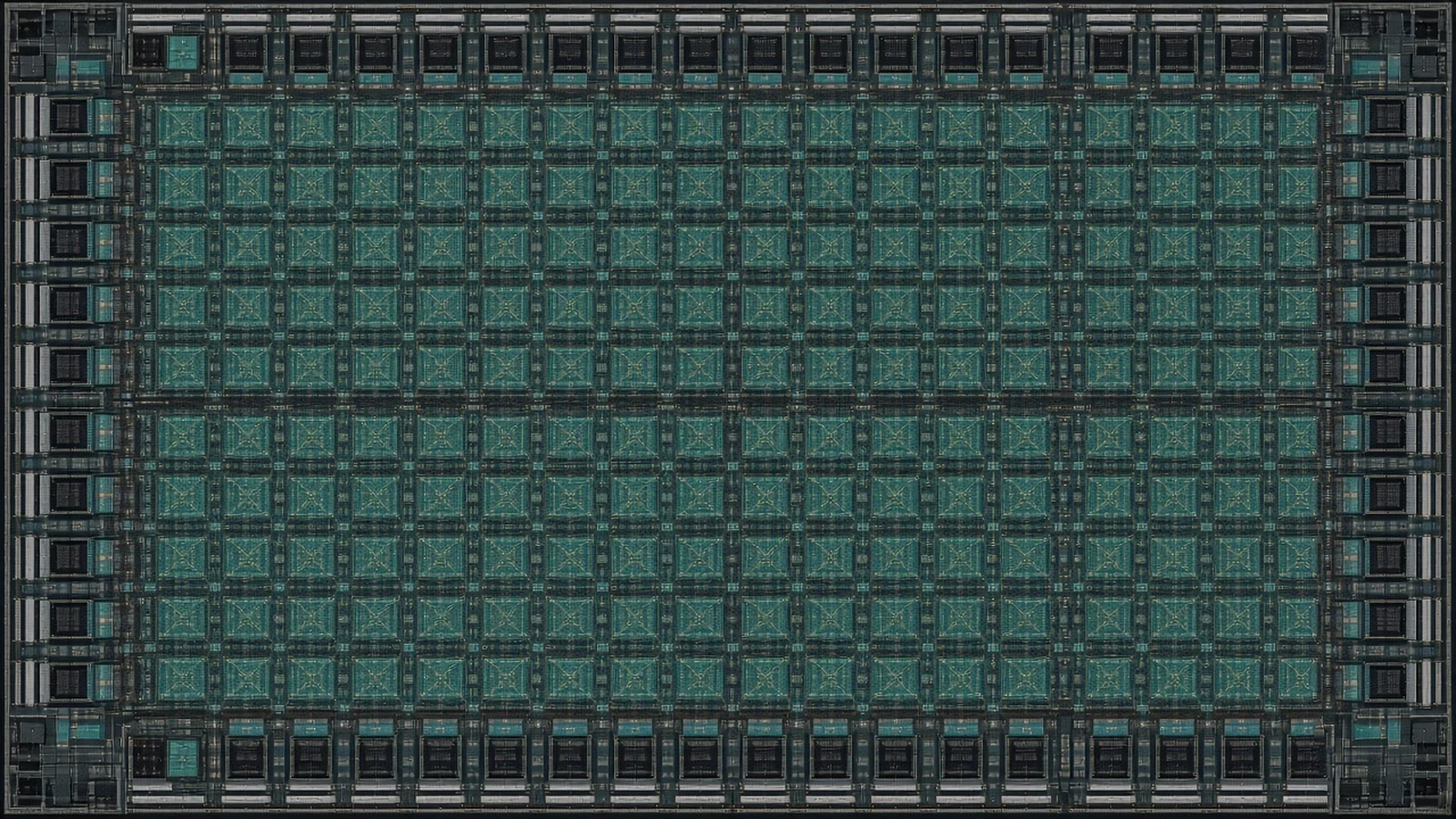
QuickLogic Australis is embedded FPGA IP, not a standalone FPGA chip and not a foundry process.
AI & HPCIndustrialView Technology


